Vintage Rhodes piano Tech Tips


Aligning tone bars with tines: This is important to your sound and the tone/timbre of your notes as well as sustain and proper oscillation. Simply look at your tone bars from above and make sure the tine lines up directly under it. If they don't, loosen the tine screw with a 5/16th inch nut driver and align the two together. Make sure the screw is as tight as possible to ensure proper sustain of the note.

Dull notes and possible causes: The first thing we think of is a bad tine which is most likely the case but there are other factors such as: Loose tine screw, bad/old tone bar grommet, improper length of tine, off set strike line, improper escapement, bad hammer tips or the wrong hammer tip, bad pick up.

Squaring off tine ends: This is over looked by 99% of Rhodes owners. Examine the end of the tine and make sure it is cut square and flat. This will ensure proper tone during oscillation of the tine. Use a file or grinding wheel to achieve this. A tine that has a jagged or pointed end will cause a harsh tone as it will disrupt a pure balanced tone by causeing the magnetic pick up to pick up a bad wave form, a proper wave oscillation is a signwave with multiple harmonics, any deviation of this is a source of improper tone.

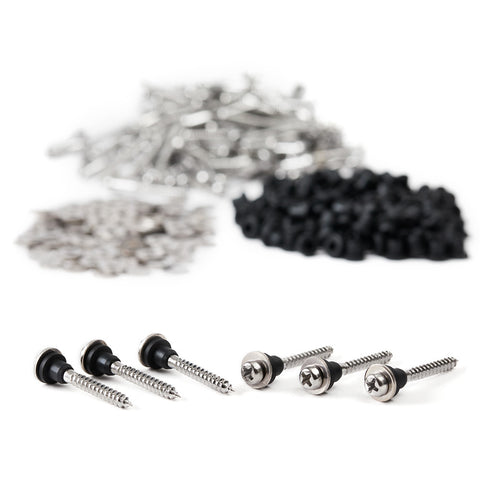
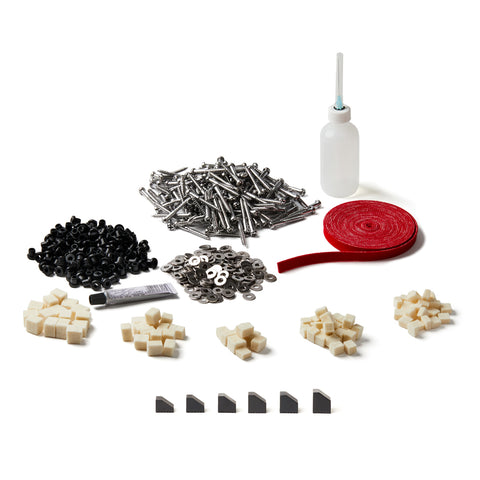
Grommet Replacement: This is something that should be done on all Fender Rhodes Pianos at this point.  Grommets are the rubber bushing that surround the screws that go thru the tone bar. Old rubber becomes hard and looses it's mass, it shrinks. This creates a gap between the tone bar and the hardened rubber surrounding the screws causing tone bars to sway left and right. This allows shifting of the tine strike line and causes improper tone. Also when a rubber grommet is hard it chokes the vibrations of the tone bar and tine which in turn causes lack of sustain and improper tone.

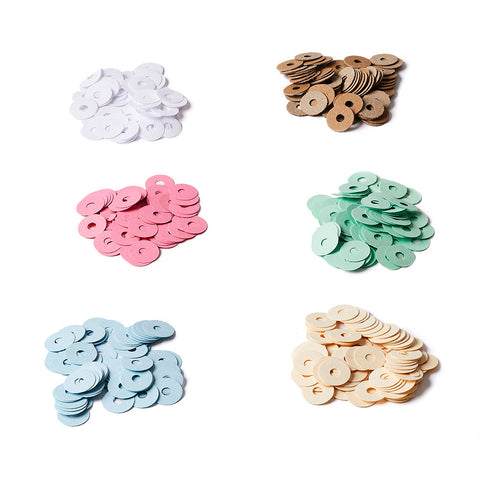
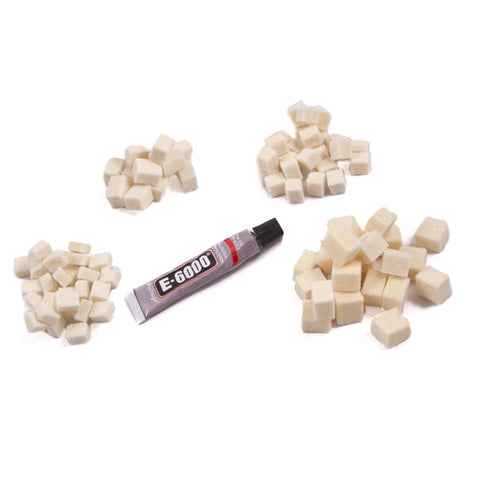
Uneven Keys: Over time and playing balance rail felts become compacted as well as paper shims. Over time paper shims fall out and  cause keys to sit uneven. This affects the look, feel and action. It's best to start by removing all the keys, then get yourself new balance rail felts and shims. Start with the bottom left key. Place a new balance rail felt on the balance rail pin then install the key. With a ruler measure the distance the key travels downward. Put your ruler on the key bed next to the key and measure the distance in which the key travels down the ruler. It should be 3/8th of an inch, Key dip is set by the action rail on a Rhodes and not by shimming the balance rail. Key height is set by balance rail felts and shims if it's less then desired height add a paper shim, if it's more remove one. Do this with all keys until they are even across the piano. Some key may take more or less paper shims to even out. A proper key dip again is 3/8th of an inch.

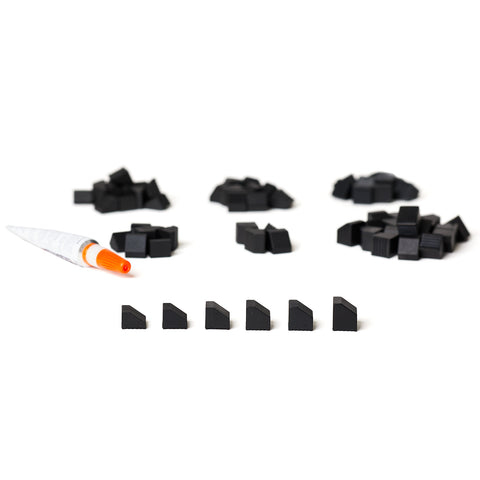
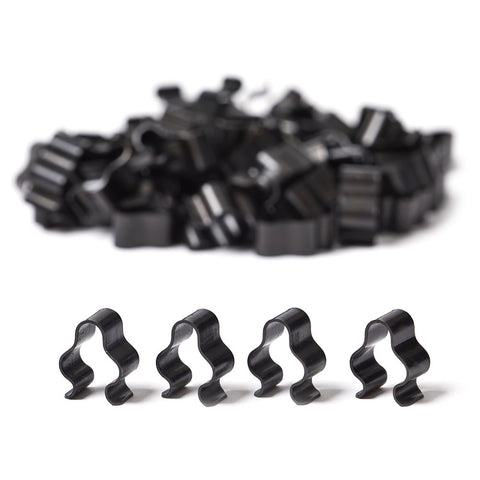
Action Modification: The Rhodes Piano action is often talked about sometimes cursed about. Fender Rhodes introduced a pedestal action mod sometime in the 1960's with the use of a metal clip with a bump on it. This was placed on the key pedestal and then a felt was placed over the clip. This gave the hammer a leverage point and allowed the hammer to strike with greater ease as opposed to a flat surfaced pedestal in which the hammers cam had no point of throw other than rolling over sluggishly. At some point in the late 1960's possibly 1970 fender Rhodes changed the action inside the piano, the keys and pedestals were different as well as other aspects of the action assembly. The pedestals now came with a slope on the front and a non flat  top surface that had it's own slope that acted as a rocking leverage point for the hammer. The bump had disappeared from the design. This new design lasted for about 4 years or so until Fender Rhodes was sold and then became Rhodes