About Wurlitzer Electric Pianos


Wurlitzer Tech Tips
Types of Wurlitzers

The Wurlitzer Electric Piano has had it share of changes over the years as it grew from a crude heavy infant electro mechanical keyboard into an older sleek stylish modern  lighter electric piano. From 1954-55 to 1980-ish the Wurlitzer electric piano has been featured by such artists as Ray Charles to Radiohead. Its roots in American Pop Music and culture is one of such deep historical embodiment. The inspiration this instrument has caused worldwide has spurred creativity and a new sound in music as well as competition from other company's trying to compete in the new market.

The tube model 112 was Wurlitzer's first real commercial electric Piano. There were others before it like the model 110 -111 but these were essentially 112's before Wurlitzer got the kinks out. Not that the 112 was without kinks. The early model 112 electric piano with its side mounted sustain pedal was not the service mans dream; quite the contrary everything about the piano is difficult to service. Yet A well tuned 112 can sound amazing, like no other piano can. The 112 had a wooden case with a cut out on the side for volume control. There was a reed bar hum shield inside. The reeds were Wurlitzer's first generation of reeds. They were thin and flat and had a nasty biting sound to them when pushed. They only really work well in this model.
The tube model 112A came next and with a couple of minor amplifier changes as well as the Sustain pedal being mounted underneath the piano where Wurlitzer would keep it without change from now until the end. Wurlitzer also made an action change with the 112A that made it's way as far as the 120 model. So a 112 and a 112A are not the same models. These were just some of the changes the 112A brought. I prefer the 112 over the 112A.

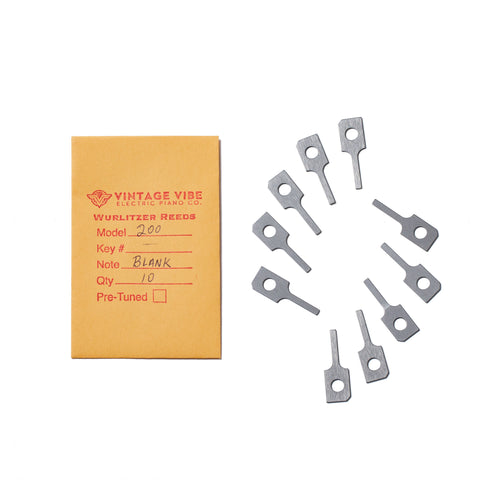
The Wurlitzer tube Model 120 came next and brought a new smaller slender look and approach to the piano. The reeds were different slightly thicker and had a small bevel on them. The volume control was now on the cheek block and there was a new amplifier design instituted. The lid was the first to be made of metal as opposed to wood. The reed harp was mounted in a different way such that the solder end of the reed faced you. Another change was the added heavy metal tone block mounted to the treble end of the harp by bolts. This was supposed to add mass to the harp and create better sustain of the treble notes, quite the contrary it did not add sustain to the treble notes, it only made tuning a tactical nightmare.  The action was also different than the 112, they used different whip assembly action, the same as the 112A. Besides the inside changes the outside box was smaller, slimmer and lighter than the 112, this made for a nice lighter package to carry around and the look was more modern. The problem was that if you thought the 112 was bad to service, now you were in for a whole lot more aggravation as the 120 was the pinnacle of a bad internal design, everything takes 5 times longer to work on than the later 200 models.
The next portable model came with the model 140 where again Wurlitzer made strives to change and improve.  The reeds were yet again changed or upgraded to a different style, thinner in width but possibly thicker in depth. This model was different in cosmetic design as well as electronic design. This was the era of new technology and transistors were becoming very popular. Wurlitzer based their amplifier on PNP Germanium Transistors. They added vibrato for the first time and put the tone controls on the metal lid in front of the keys. The action was completely different from the older models, they now employed separate reed harps for bass and treble instead of one long one. I believe it was to control tone and ghost notes. The hum shield was the metal lid and it was grounded to the reed harp. The action was completely different to previous models, the dampers had longer arms and were part of a damper assembly as opposed to individual dampers attached by a flange to the action rail and whip assembly. The model 140 had an exact twin brother called the 145, which was the exact same piano but was a tube design with 6k11 pre amp tube-7868 output tubes-6c4 rectifier. Not one of my favorite pianos by a long shot. Then came the 140A with minor changes from the 140.

The next Wurlitzer Model to come out was the 140B- 145B. One was tube and One was Solid State. Now the tube 145B version used the same amplifier as the 145 but the Action was different. The 140B amplifier was completely different and was miles better than the 140 amplifier, and again the action was improved greatly. Wurlitzer also once again changed reed blanks, this is where they really started to get their stride in their pianos. The 140 B series moved their controls from the front of the piano to the cheek Block, the internal action was in my opinion the best they ever made. Simple in design effective, easy to work on and fast. The end of the keys held a capstan for lost motion adjustments and very easy to work on any aspect of the piano, easy to remove whip assembly's for work, easy to tune, easy to remove keys, everything and anything was easy in this accessible design. There was no amplifier in front of the action to get in your way like on the later 200 model. The only drawback to this style was the size and weight. It was the largest and heaviest of the Wurlitzer Electric pianos.

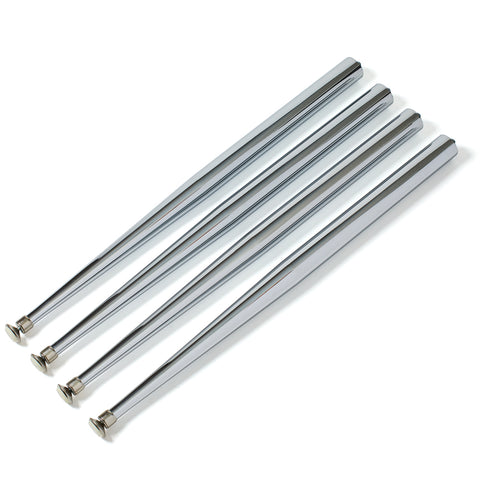
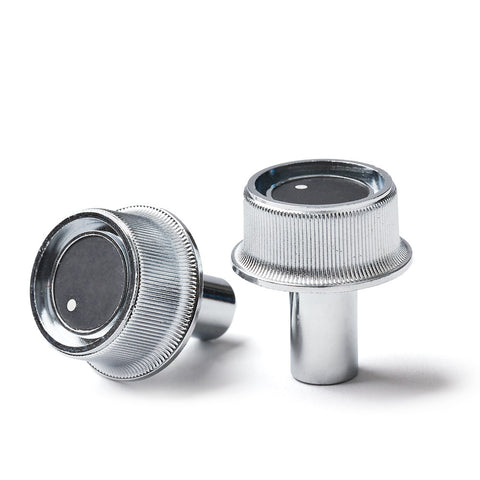
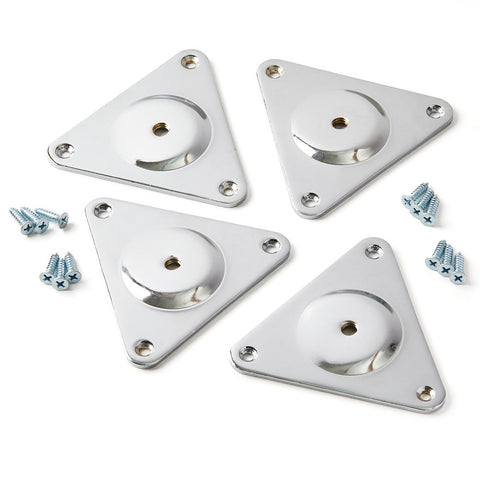
Next came the Wurlitzer 200 Model around 1968-69. Improved in size and dimensional weight, made for portability in the ever growing rock and roll and pop world. The piano was sleek with a brand new design inside and out.  Improved smaller solid state amplifier and line level out for musicians playing live. The piano featured two 4x8 speakers mounted to a metal rail that went across the inside a molded ABS plastic lid. One speaker was for bass response and the other for mid to treble. One cone was ribbed and the other was smooth. The lid came in 4 colors, Black, Red, Tan and Dark Green almost Black. It sported new legs made from chromed steel with special braces and a slide in style  leg flange, new chrome Vol/Vib knobs as well as a mirror faceplate.( note on the leg flange, this would soon change to a standard triangle leg plate with a bevel) Quite a a new look compared to the old heavy bulky wood series models.The action changed as well, now the capstans were both attached to the whip assembly, lost motion and let off were now adjusted from the whip. The dampers and the hammers stayed the same from the 140B series, but the whip changed as did the keys. The reeds stayed the same from the later 140b series reeds but that would change soon when the 200A was introduced.

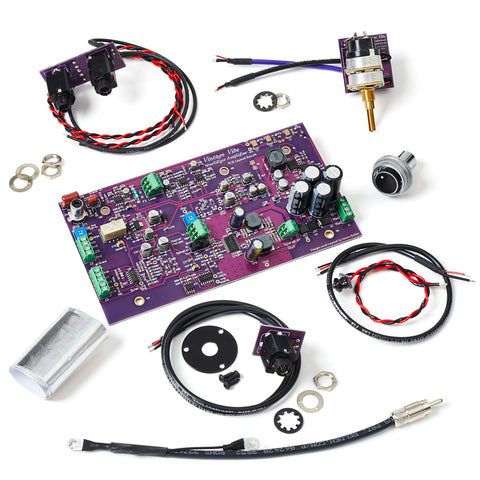
The next  Wurlitzer electric piano Wurlitzer put out was the 200A. It was the same as the 200 but with some updating. A new amplifier was introduced, due to the power transistors used in the 200 were no longer made. They reinvented the amplifier, separated the pre amp section from the power amp and placed it on the reed bar to make things quieter.The amplifier ran on different voltages so cannot be used with a 200 amp. They also introduced reed bar shields to fit over the pick ups for extra shielding as well as inserting the transformer wires into an aluminum tube for added shielding. Wurlitzer made the lid now in Black and also did a short run of avocado green lids. The speakers were now mounted to the inside of the plastic lid not on the rail like the 200 model. An aux out gain control pot was added to the underside of the piano case to adjust output volume to an external amplifier. The reeds were thicker and the thickest they ever made their reeds to date. .032  This gave the piano a warm mellow tone, a rounded sound. The later 200A pianos had the best action, due in part to the strong damper flange springs.

The last Wurlitzer was a model called the 200B and this piano was the same as the last 200A pianos with one difference, there was no amplifier inside. It only had a pre amp and a large battery to run it. It was intended to be ultra quiet and to be used with an external amplifier. This piano is very rare and never made it as a serious model before the factory stopped making pianos.