Hohner Clavinet Tech Tips


Tuning:
Tuning the Hohner Clavinet is much like tuning a guitar or a Piano. It's like a guitar in that it only has one string per note and like a piano because the strings are horizontal like a grand piano and also you turn a pin to bring the pitch up or down much like in a piano. You can stretch tune the instrument if you like but most users if not all tune to even temperment. The clavinet's tuning pegs are located just below the keys behind a tuning cover plate. You remove the two screws in front to reveal all of the tuners behind.

The tuning pegs start off on F and chromatically go up in series with the keys. Once you get about an octave up the tuning pegs start to really drift behind the actual key you are tuning. Once you find this happening you must stay on top of the note you are playing, if you do not you will become lost easily and you may wind up breaking a string because you have lost your place. You will keep turning to raise the pitch because you do not hear a change in pitch, this is because you lost your way and are now turning the wrong tuner. A rule of thumb is each tuner is about 1 octave below the note you are playing. Take your time and always double check yourself. Changing strings on a Clavinet is not fun.

String Placement:
First remove the key bed to have full view of harp. The placement of the strings on a Clavinet is very important to the tone and volume of notes. If you open up your clavinet and look inside you will notice a pick up under the strings. This pick up has magnets embedded in epoxy resin, each section of these magnets will correlate with 10 strings above it. Notice the breaks of space in between the magnets. If one or more of your strings is sitting between magnets then you are going to have a dull sounding note. These are dead spots where the pick up does not pick up.

To move your string back in place it is best to loosen the string with the tuning peg, once the string is loosened go to the back end of the Clavinet past the pick up and under the slider mute. You will see a Brass nut there with all of the strings hooked onto little tabs or tongs. At this point use your finger nail and push the string back over the pick up back into it's proper place.  Now look on the other side near the tuning peg and yarn, make sure your string is centered the best you can over the hammer contact or Anvil as this is where your hammer needs the string to be for proper strike line. Once you have the string placement in order tune back up your string.

String Replacement:
Replacing a string on a Clavinet is not my idea of fun but is a necessary adventure from time to time. You must remove the old string first. You will notice the yarn woven in and out of the strings, it's an under and over pattern used to dampen any sympathetic vibrations from after a note has been played, an automatic damper if you will. The problem with this is to take a flimsy string and actually weave it through the yarn is next to impossible without the use of a conduit to fish the string through first. The use of a small cocktail straw will do the job best.

First observe the pattern of the string to the left of the one needing replacement if it starts under over than your going to start over under on your cocktail straw weave. It is the opposite pattern for everyone in line, this keeps tension on the yarn and helps dampen strings properly. Once you have the straw thru then place your string thru the straw. There are two ways you can do this, 1. you can fish the loop end thru the straw if your straw is wide enough or 2. You can come in with the string from under the Upper pick up with the cut end of the string first.  Either way you will need to leave enough slack for hooking the loop onto the tab and enough to wind the tuning peg, which does not take much.  Before looping the string thru the eye of the tuners remove the straw and cut string to proper length.  Now  fish the string thru the eyes of the tuner and make a right angle bend on the string to hook or lock it in. Ok, hold with one hand the loop onto the back tab and with the other start turning with a screw driver or slow speed hand drill to tighten.

Evening Volume across Scale:
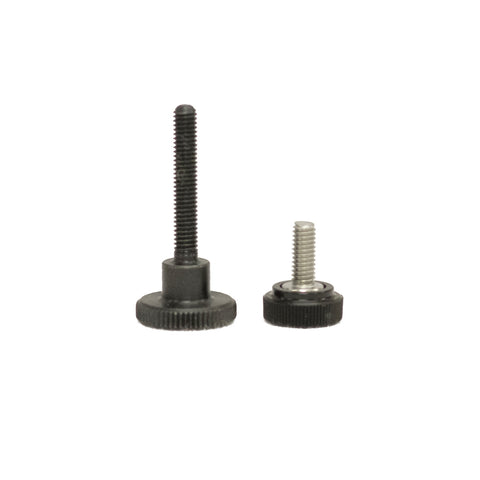
The  Hohner clavinet has adjustable pick ups as well as an adjustable harp which allows movement up or down. If we start with the pick ups you will note there is a screws on each side holding the pick up in place. This is set across the strings. If you were to lower the screws you would place the pick up closer to the strings giving your clavinet a hotter sound. Since there is a screw for each side you can adjust either side lower or higher in relation to the strings. By doing this you can even out the volume scale on your clavinet, if you prefer a hotter bass and less treble you would raise the trebles side of the pick up and possibly lower the bass end. You can do the opposite as well or you can try to make is as even as you like.
Another factor in the volume of your piano is the proper harp height as this striking distance will affect hammer blow. If the harp is set to high you will not get a forceful attack hit on the string, a proper key dip is essential for the proper strike of the string which ultimately gives you a consistent loud hit. These two adjustments along with proper string placement will offer you voicing of the tone and volume.